
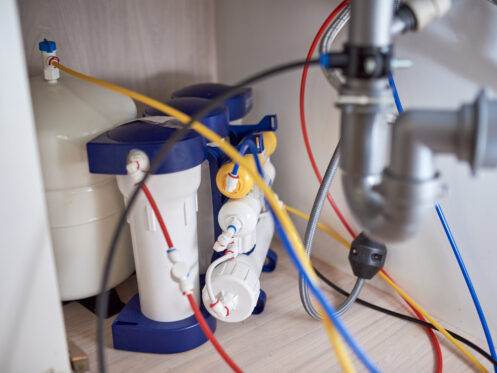
You’re likely familiar with the signs of hard water in San Jose, such as chalky residue on faucets or spots on your glassware. Our region’s water contains high levels of minerals from groundwater sources. While safe to drink, it can gradually harm your home’s plumbing system, fixtures, and appliances.
The effects of hard water are cumulative. Over time, mineral deposits cause clogs, reduce water pressure, and decrease appliance efficiency. Understanding how hard water impacts your home is the first step toward protecting your plumbing from unnecessary wear and tear. With professional support, you can mitigate these issues and keep your plumbing running smoothly.
What Is Hard Water?
Hard water is water containing elevated levels of dissolved minerals, primarily calcium and magnesium. As water flows through the ground and over rock formations, it picks up these minerals. In our area, much of the water supply comes from groundwater that has passed through mineral-rich soil.
The opposite end of the spectrum is soft water, which has a very low concentration of these minerals. Soft water often occurs naturally in regions with different geology or can be achieved through water treatment. Hard and soft water interact differently with your plumbing. Overly soft or low-pH water can accelerate corrosion and wear on certain metal components, while hard water can cause scale buildup and other problems.
How Hard Water Affects Your Plumbing
The constant flow of mineral-rich water through your pipes and fixtures can lead to a variety of issues. These problems often develop slowly, making them easy to overlook until they cause a noticeable disruption. From plumbing buildup inside your pipes to visible damage on your faucets, hard water leaves its mark throughout your home.
Mineral Buildup Inside Pipes
The most significant impact of hard water on your plumbing occurs inside your pipes. As water flows through, calcium and magnesium particles stick to the interior surfaces, forming a hard, crusty layer known as limescale. This buildup happens gradually over many years.
As this mineral scale accumulates, it narrows the diameter of your pipes. This restriction hinders water flow and adds strain to your entire plumbing system. The pressure required to push water through these constricted pathways increases, potentially stressing pipe joints and connections over time.
Reduced Water Pressure
A direct consequence of mineral plumbing buildup is a noticeable drop in water pressure. When scale narrows your pipes, less water can pass through at any given time. You might first notice this in a single fixture, like a showerhead, but it can eventually affect the water pressure throughout your home.
This reduction in flow can make everyday tasks more frustrating. Showers may feel less satisfying, your washing machine might take longer to fill, and rinsing dishes can take longer. While low water pressure can have several causes, hard water buildup is a frequent culprit in the San Jose area.
Fixture and Faucet Damage
The effects of hard water are often visible on your fixtures. You may see white, chalky mineral deposits accumulating on your faucets, showerheads, and drain openings. These stains can be difficult to clean and can tarnish the appearance of your bathrooms and kitchen.
Beyond aesthetics, this buildup can also impair performance. Mineral deposits can clog the small openings in showerheads and faucet aerators, causing water to spray unevenly. Over time, constant exposure to hard minerals can corrode valve components and other internal parts, shortening the lifespan of your fixtures.
Water Heater Efficiency
Your water heater is particularly vulnerable to hard water. As water is heated, minerals like calcium and magnesium settle at the bottom of the tank as sediment. This sediment layer builds up over time, creating an insulating barrier between the heating element and the water.
This forces your water heater to work harder to reach the desired temperature, which reduces its efficiency and increases your energy bills. The extra strain can also contribute to overheating and premature heating-element failure, resulting in expensive repairs or early replacement.
Signs Hard Water May Be Damaging Your Plumbing
Because the damage from hard water happens slowly, it’s important to recognize the early warning signs. Catching these issues early can help you act before bigger problems develop. Pay attention to these common indicators around your home.
- White, chalky residue on fixtures
- Frequent clogs
- Gradual decrease in water pressure
- Water heater losing efficiency
- More frequent plumbing repairs
How Hard Water Impacts Household Appliances
Hard water affects more than just your plumbing. Water-using appliances like dishwashers, washing machines, and coffee makers are also at risk. The same mineral buildup that clogs pipes can damage these machines’ internal components.
In dishwashers, mineral deposits can clog spray arms and leave spots on your dishes. In washing machines, hard water reduces detergent effectiveness, leaving clothes stiff and dull. This buildup can also damage pumps and valves, shortening the appliance’s lifespan. This reduced efficiency means your appliances work harder and use more energy, leading to higher utility bills and more frequent breakdowns.
Ways to Protect Your Plumbing System
The good news is that you can take proactive steps to combat the effects of hard water. The best approach is to identify the issue and implement a long-term solution to protect your pipes, fixtures, and appliances. Professional water testing is an excellent first step. A qualified plumber can accurately measure your water’s mineral content and confirm whether hard water is causing your plumbing issues. Once you know what you are dealing with, you can explore effective solutions.
For many homeowners, installing a water softener in San Jose is the most reliable way to protect their plumbing and appliances. A water softener removes the hardness minerals from your water before it enters your pipes. Investing in water treatment solutions like these can prevent future buildup and may even help break down existing scale over time.
Routine plumbing maintenance also plays a crucial role. Regular inspections can help identify issues caused by excess minerals before they become major repairs. Working with a qualified plumbing team like Knockout Plumbing & Repipe Inc. helps protect your system for the long term.
Protect Your Plumbing With Professional Help
Hard water is a reality for many homeowners in our community, and its effects on plumbing can be significant. Mineral buildup can restrict water flow and reduce water heater efficiency, leading to frustrating performance issues and unexpected costs. At Knockout Plumbing & Repipe Inc., we recommend water softeners, water filtration systems, and routine pipe maintenance to protect your home from these persistent problems. Our team provides comprehensive plumbing services in San Jose and the surrounding areas.
If you’re concerned about hard water in San Jose, CA, contact us today. We can come out for an inspection or to install a water softener.