A whole-house repipe is a major investment in your home’s plumbing, and choosing the right pipe material is an important part of the process. Copper was the standard for decades, but PEX tubing has become a popular alternative. Understanding how they differ can help San Jose homeowners make an informed choice.
This guide compares copper and PEX based on durability, installation, and cost. It also explains how the team at Knockout Plumbing & Repipe Inc. helps homeowners choose the best option for their property.
Understanding the Contenders: Copper and PEX Piping
Before diving into a direct comparison, it’s helpful to understand the fundamental characteristics of each material. Both are approved for potable water systems and have proven track records, but they achieve their goals in very different ways.
The Traditional Choice: Copper Pipes
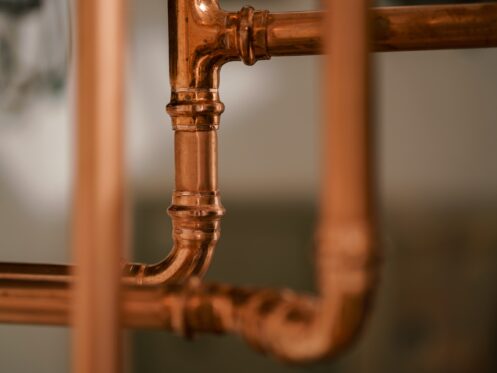
Copper has been the gold standard in plumbing for nearly a century. This rigid metal piping is known for its longevity and reliability. When you think of traditional plumbing, sturdy copper pipes likely come to mind. It’s a material that has demonstrated its performance in millions of homes, earning a reputation for quality that stands the test of time.
The Modern Alternative: PEX Tubing
PEX (cross-linked polyethylene) is a flexible plastic tubing that has rapidly gained popularity. Its flexibility is its defining feature, allowing for installations that are often faster and less invasive than with rigid pipe. PEX is a durable, cost-effective, and versatile alternative to metal piping, making it a leading choice for modern repiping projects.
A Head-to-Head Comparison: Copper vs. PEX for Repiping
Choosing between a copper repipe and a PEX repipe in San Jose involves weighing several key factors. There is no single “best” answer; the right choice depends on your home, budget, and priorities. Let’s compare them across the most important categories.
Durability and Lifespan
Both materials are designed for the long haul, but their vulnerabilities differ.
Copper is exceptionally durable and can last 50 to 70 years or more under the right conditions. It is resistant to UV degradation, meaning it can be used in areas exposed to sunlight, and it will not be punctured easily by pests.
However, copper’s main weakness is corrosion. Depending on the specific water chemistry, such as low pH (acidic) water, copper pipes can develop pinhole leaks over many years. While San Jose’s municipal water is generally well-managed, localized water conditions can vary. Copper is also susceptible to bursting if the water inside freezes solid.
PEX tubing also boasts a long lifespan, typically estimated at 50 years or more. Its primary advantage is its resistance to corrosion, scale, and mineral buildup, which can plague metal pipes.
PEX is also more resistant to freeze damage. Because it’s flexible, it can expand slightly if water freezes inside, reducing the risk of a burst pipe. Its main vulnerabilities are susceptibility to UV light, which can cause it to become brittle, and the potential for physical damage from rodents or an errant nail.
Installation Process and Complexity
The installation process is where the differences between copper and PEX are most dramatic, impacting both the project timeline and its intrusiveness.
A copper repipe is a labor-intensive process that requires highly skilled technicians. The rigid pipes must be cut precisely, and every connection and turn requires a fitting that is soldered together using a torch. This “sweating” process creates strong, permanent joints but takes significant time.
The pipe’s rigidity also means that more drywall may need to be opened to run the lines through walls, floors, and ceilings, making the project more disruptive.
PEX installation is significantly faster and less invasive. The flexible tubing can be snaked through walls, around corners, and over obstacles much like electrical wiring. This dramatically reduces the number of fittings needed and minimizes the amount of drywall that needs to be cut open.
Instead of using a torch, PEX connects with mechanical fittings like crimp rings or expansion sleeves. This speeds up the process and eliminates the fire hazard associated with soldering inside walls, contributing to faster project completion times at Knockout Plumbing & Repipe Inc..
Water Quality and Health Considerations
Both copper and PEX are certified as safe for carrying drinking water, but they interact with that water differently.
Copper is naturally biostatic, which means it inhibits the growth of bacteria. It’s a trusted material that has been used safely for generations. In very rare cases with aggressive water chemistry, trace amounts of copper can leach into the water, but this is not a common concern with public water supplies. It imparts no taste or odor to the water.
PEX is also completely safe for potable water systems and meets strict industry standards. It does not corrode or add any metallic taste to the water. Early concerns about potential chemical leaching have been largely resolved with advancements in manufacturing (PEX-A, PEX-B, and PEX-C types). It is an inert material that has no impact on water quality.
Cost Considerations
For most homeowners, the budget is a major factor in the decision-making process. This is another area where PEX and copper differ significantly.
A copper repipe is the premium option. The raw material itself is a commodity with a price that fluctuates but is consistently much higher than PEX. When you combine the higher material cost with the extended, more intensive labor required for installation, a whole-house repipe with copper is a considerably larger financial investment.
A PEX repipe is the more cost-effective choice. The material itself is less expensive, and the faster, more efficient installation process results in significantly lower labor costs. This combination makes PEX a much more accessible option for many San Jose homeowners, allowing them to get a complete, high-quality repipe for a lower overall cost without sacrificing longevity or performance.
How Professional Plumbers Choose the Right Material for Your Home
A professional plumber will not just recommend one material over the other. At Knockout Plumbing & Repipe Inc., our process involves a thorough evaluation of your specific home and a conversation about your priorities.
We consider several factors before providing a recommendation, including:
- Your home’s architecture and age
- Your project budget
- The condition of your current plumbing
- Your personal material preference
Is Copper or PEX Better for San Jose Homes?
While there’s no single right answer for every home, PEX has become the more common choice for whole-house repiping projects in the San Jose area. Its combination of corrosion resistance, faster and less-invasive installation, and significant cost savings makes it a compelling option for homeowners looking for a modern, reliable, and long-lasting plumbing system.
However, copper remains an outstanding, premium material. For those who prioritize its unmatched history of durability and are comfortable with the higher upfront investment, a copper repipe is an excellent choice that will serve the home for generations. It’s a classic for a reason and continues to be a valuable option.
The choice between copper and PEX is a crucial step in your repiping journey. Understanding these key differences in performance, installation, and cost allows you to make a decision that aligns with your home’s needs and your budget. As a BBB Accredited and HomeAdvisor Top Rated company, we specialize in helping homeowners navigate this choice, ensuring a smooth process and a reliable plumbing system for decades to come.
For expert guidance on your copper or PEX repipe project in San Jose, CA, contact the specialists at Knockout Plumbing & Repipe Inc. today for a professional consultation.