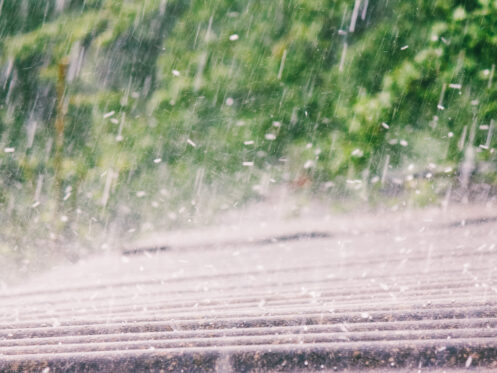
San Jose winters often bring significant rainfall, transforming our beautiful Silicon Valley landscape into a challenging environment for residential plumbing. When heavy storms hit, your plumbing system works overtime to keep water moving away from your home.
Neglecting preparation can lead to flooded basements, sewage backups, and costly repairs that disrupt your daily life. Protecting your property requires proactive plumbing maintenance in San Jose before the first major storm arrives. Taking action now ensures your home stays dry and your plumbing remains functional all winter long.
Understanding the San Jose Rainy Season and Plumbing Vulnerabilities
The Pacific climate of San Jose brings dry summers and wet winters. While not as deluge-prone as some other regions, the heavy, concentrated storms we do experience can cause rapid flooding, especially when the ground is already saturated.
As a homeowner, you need to understand how heavy rainfall directly impacts the structural integrity of a plumbing system.
Exterior Drainage Systems: The First Line of Defense
Your home is surrounded by exterior drainage systems designed to move water away from the structure. These include gutters, downspouts, and surface drains. In the rainy season, these systems are subjected to high volumes of water, sediment, and debris. If they fail, water pools around the foundation.
The Role of Ground Saturation
As the rains continue, the ground becomes saturated. Saturated soil is less capable of absorbing additional water. If you have underground pipes, such as sewer lines or water main lines, the weight of this saturated soil can shift, putting stress on the pipes and causing cracks or breaks.
High water tables during the rainy season can increase the pressure on foundation walls and basement structures, forcing water through small cracks.
Rainy Season Maintenance Checklist: Exterior
Here’s how to prepare your drainage for high-volume rainfall.
1. Clear Gutters and Downspouts
Gutters collect water from your roof, and downspouts guide it away. If these are clogged with leaves, twigs, and debris, water will overflow and pool right next to your foundation. Clean them thoroughly and ensure downspouts extend at least five feet away from your home.
- Pro Tip: Consider installing gutter guards to minimize debris buildup in the future.
- Check for Damage: While cleaning, check for sagging gutters or detached downspouts that need immediate repair.
2. Inspect Exterior Drains and Cleanouts
Check yard drains, driveway drains, and area drains for blockages. Use a garden hose to test water flow and ensure these drains can handle a high volume of water. If you have older pipes in these areas, consider a professional camera inspection to check for tree root intrusion, which is the most common cause of exterior drain blockages.
3. Sump Pump System Maintenance
If you have a basement or crawlspace that collects water, your sump pump is essential. It must be in peak condition before the heavy rains start.
- Test the Pump: Pour a bucket of water into the sump pit; the pump should automatically turn on and discharge the water outside.
- Check the Backup System: Ensure the battery backup is charged so the pump works during power outages, which are common during storms.
- Inspect the Discharge Line: Make sure the pipe directs water well away from the foundation, not just right back into the ground nearby.
- Clean the Pump Screen: Remove any debris from the sump pump screen to ensure maximum water intake.
4. Install a Backwater Valve
A backwater valve is a one-way valve installed in your sewer line that allows sewage to leave your home but prevents it from coming back in. For homes in flood-prone areas or homes located lower than the street sewer main, this is a crucial investment. It protects your home from sewage backups caused by overwhelmed city sewer lines.
Interior Plumbing Precautions: Safeguarding Your Home
Rainy season prep isn’t just about the outside of the home. The increased moisture levels and shifting ground can affect your interior plumbing.
1. Check for Pipe Leaks and Moisture
Heavy rain often raises the water table, which can put pressure on underground pipes. Inspect exposed pipes in your basement, attic, and garage for small leaks or dampness. If you find leaks, call for professional pipe leak repair immediately.
Monitor Water Pressure: A sudden drop in water pressure can indicate a massive leak in the main line, while a sudden increase might suggest an issue with the water pressure regulator.
2. Secure Your Water Heater
A malfunctioning water heater can be dangerous during a storm. Ensure your unit is securely strapped to the wall to prevent it from tipping over, especially if your home is in a high-risk flood zone.
Check for Corrosion: Inspect the base of the water heater for rust, which indicates a slow leak that could become a total failure during heavy rains.
3. Seal Basement Plumbing and Foundation Gaps
Water can seep in through gaps around plumbing pipes that enter your home. Use waterproof caulk or sealant around the base of basement toilets, sinks, and floor drains to prevent unwanted water from entering.
Inspect Foundation Cracks: Seal any cracks in your foundation walls with concrete epoxy to prevent water seepage.
Deep Dive: Sewer Line Vulnerabilities During Rain
The sewer line is perhaps the most vulnerable part of your plumbing system during heavy rain. In San Jose, many older homes have clay or cast-iron sewer pipes that are prone to issues.
The Problem with Tree Roots
Tree roots are constantly searching for moisture. During the rainy season, sewer lines are filled with wastewater, making them attractive targets. If a pipe has a small crack, tree roots will enter, grow, and eventually cause a massive blockage.
City Sewer Overload
In extreme weather events, the city’s sanitary sewer system can become overwhelmed with stormwater entering the system through manholes or illegal downspout connections. When the city system is full, the pressure pushes sewage back up into residential lateral lines, causing backups in homes.
Advanced Protection Strategies
For homeowners looking for maximum protection, consider these advanced strategies.
Trenchless Sewer Repair
If a camera inspection reveals significant root intrusion or pipe damage, trenchless repair techniques can replace or line the pipe without extensive digging.
High-Efficiency Water Filtration
While not directly related to flood prevention, water filtration systems can protect your fixtures from sediment buildup that often occurs when water tables are high and pipes are under stress.
Local Resources and Rebates
San Jose offers resources to help homeowners manage stormwater. Valley Water often provides rebates for rain barrels and other water-harvesting systems that can reduce the load on your property’s drainage.
Schedule Professional Plumbing Maintenance in San Jose Today
Don’t wait for a storm to discover a weakness in your plumbing system. Proactive plumbing maintenance in San Jose is the best way to safeguard your home investment and enjoy peace of mind throughout the rainy season.
Ready to prepare your home for the weather? Trust the experts at Knockout Plumbing & Repipe for all your rainy season inspections, repairs, and conservation needs. Call us or fill out our online form today to schedule your inspection and ensure your system stays in peak condition!